The fastest way to understand AI

The fastest way to understand AI isn't to study it. It's to build something small that solves a problem you actually have, not a tutorial project or a course, but something you'll use tomorrow morning.
A script that sorts your email backlog by urgency. A pipeline that checks whether your team's AI feature is actually resolving customer tickets or just deflecting them. A system that tracks your kid's soccer schedule and texts you when you need to leave based on traffic. The more personal the problem, the better, because you'll know immediately whether the solution is working.
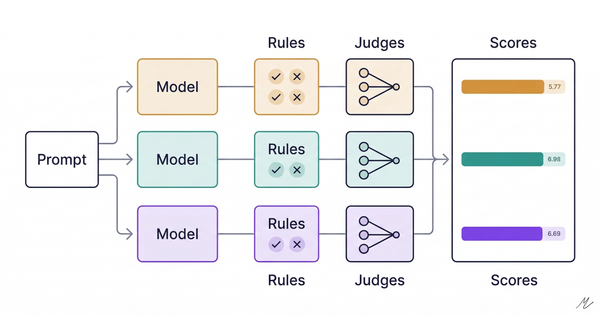
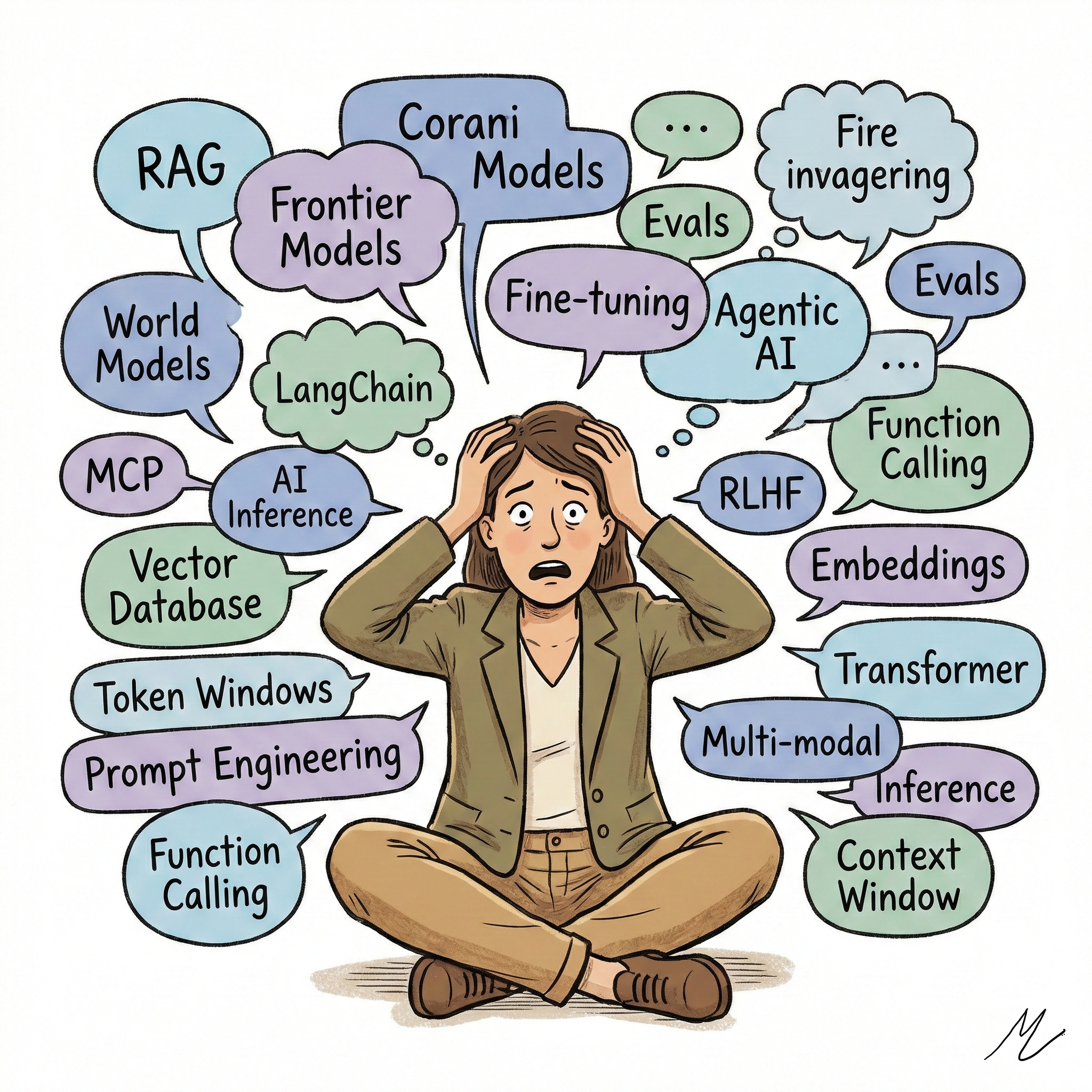
Here's what happens next, and this is the part most "how to learn AI" advice skips: you'll hit a wall. The first version will be 70% right and 30% frustrating. So you'll ask the model "how do I make this handle edge cases?" and suddenly you're learning about prompt engineering. You'll wonder why it forgot context from three messages ago, and now you understand token windows. You'll try a second model and get different results, and congratulations, you're evaluating model fitness for a task.
Retrieval augmented generation, tool calling, agent loops: these stop being jargon and start being answers to problems you already have.
I keep meeting senior leaders who've read every AI strategy deck but haven't once opened a chat window and asked it to solve something specific to their Thursday. The conceptual knowledge without the tactile experience produces a particular kind of confidence that collapses on contact with real implementation decisions.
Start with your itch. The vocabulary follows the doing.